All about Wakeboard: Disciplines, Boards, Spots and How to Get Started
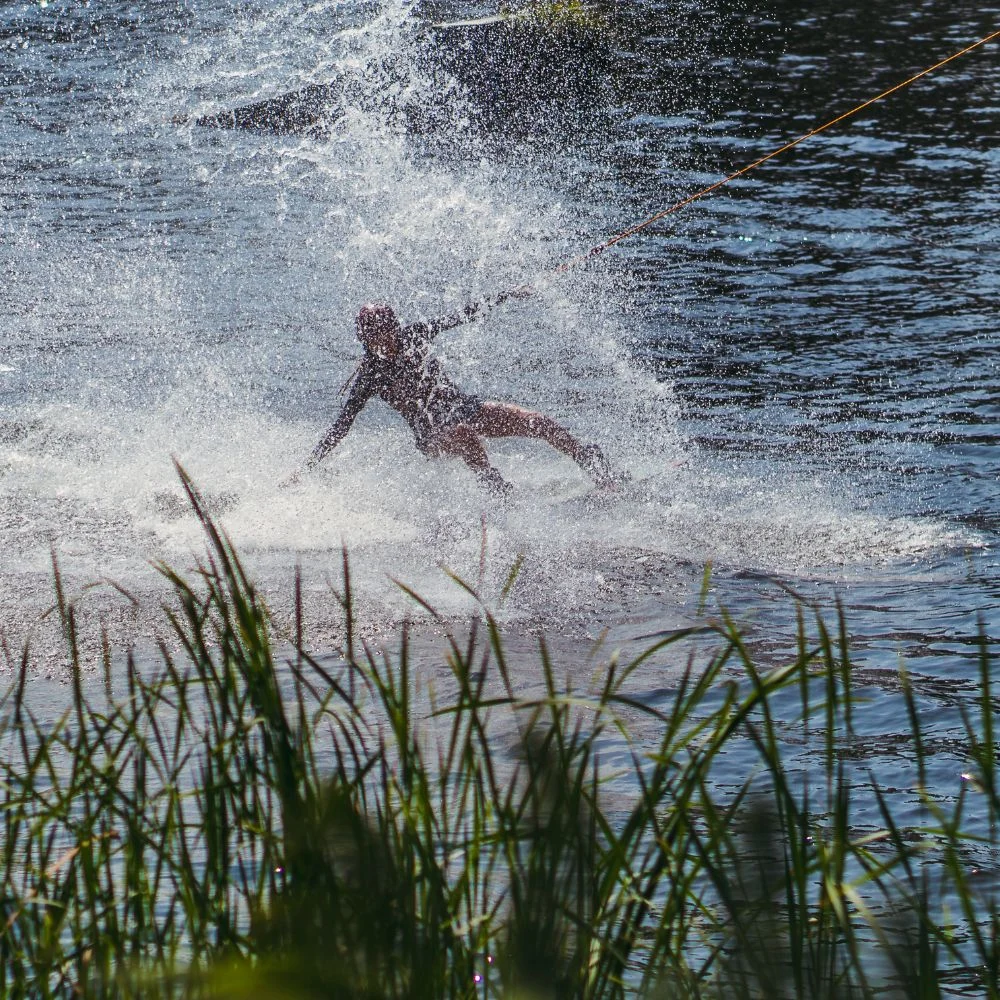
Wakeboarding is a water sport that combines skill, balance, and adrenaline. It's practiced on a board that allows you to glide across the water and perform spectacular stunts. If you want to learn how it works, what disciplines it offers, how to choose the right board, and where to practice it, this guide will take you step by step.
How does wakeboarding work?
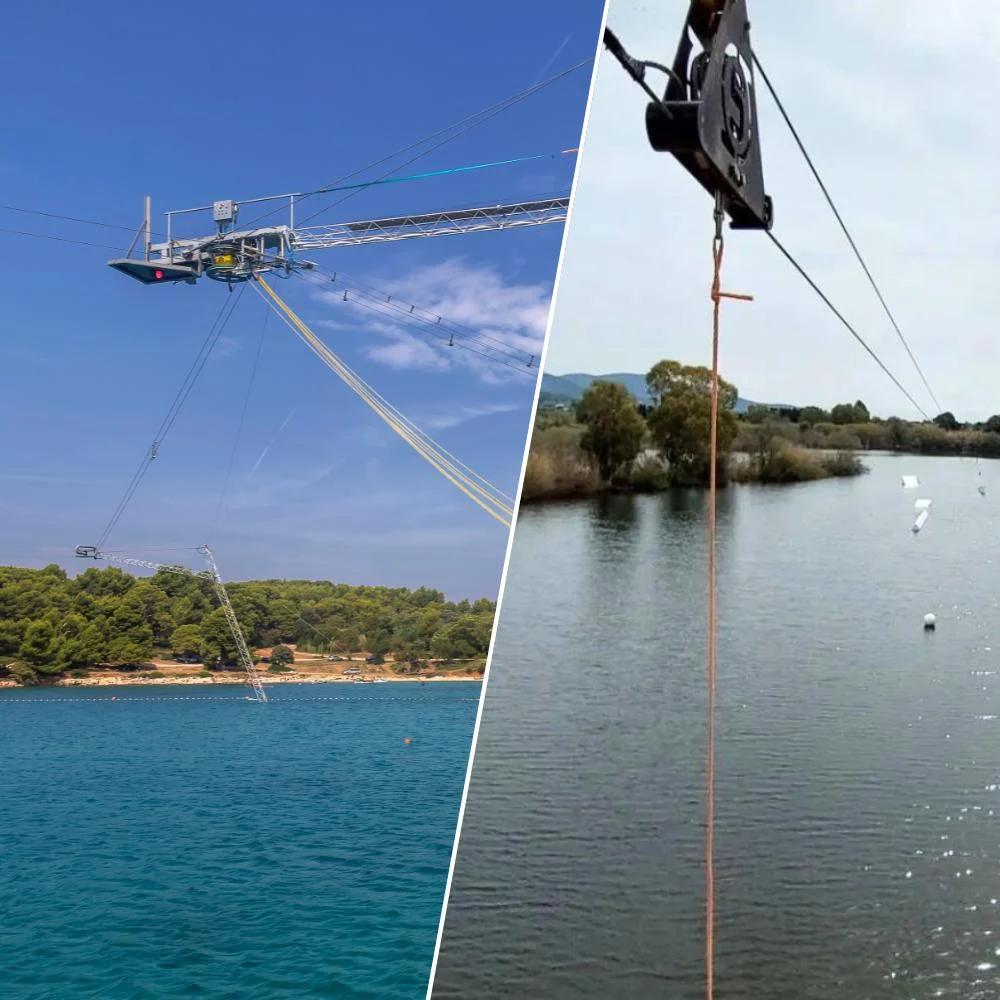
Wakeboarding combines elements of water skiing and snowboarding: from the former it takes the concept of being towed on the surface of the water via a rope and a handlebar to grip, while from the second it inherits the lateral posture (goofy or regular), the structure of the board with bindings and typical acrobatics. Depending on the discipline, towing can take place via a vessel, like a boat or a jet ski, just like in water skiing, or via a cable system, in the so-called wakepark, where a system of towers and ropes pulls the practitioners. Wakeparks can vary in typology, as we will see later in the article.
Wakeboarding: by boat or by cable car?
In wakeboarding on a boat, which can also be a jetski, the wake generated by the boat creates two lateral waves, a sort of banks that the towed riders exploit to perform jumps, rotations and other aerial tricks. The towing speed is generally around 30 km/h, but for those who are learning it is recommended to start at lower speeds, between 20 and 25 km/h, in order to have greater control and reduce the impact in the event of a fall. The power of the wave and the distance between the two crests directly influence the difficulty of the riding, offering a variable experience based on the boat adjustments, adapting to more progressive or aggressive riding styles depending on preferences and skills.
In the wakeparks, however, the cable wakeboarding follows a different approach: riders are towed by a tower system along a course equipped with obstacles. Here too, the standard speed is around 28-32 km/h, but it can vary slightly depending on the system. During learning sessions, many wakeparks lower the speed to make it easier for practitioners and to make the adaptation to the cable towing more gradual. Here the focus is on freestyle, with endless possibilities for tricks and technical combinations on the elements of the park, ensuring a dynamic and adrenaline-filled experience with every run.
There are two types of wakeparks:
- Full size: A circular system with 4, 5, or 6 towers and multiple towing beams, allowing several riders to ride simultaneously without interruption. Well-known examples in Italy are the Wakeparadise Milan and the Wake N Lake of Rome.
- Two Towers: Linear system with two towers and a single balance beam, where riders are towed back and forth one at a time for the entire duration of the run.
DEPTH: Differences between Full Size and Two Towers wakeparks
How much does it cost to wakeboard?
The costs for practicing wakeboarding vary depending on the modality chosen: wakepark Full Size, wakepark Two Towers or wakeboarding in a boat. Although the rates may differ based on the location and season, they generally follow similar logic, with small differences depending on the spot and its popularity.
WakeFull Size park: hourly and daily rates
In Full Size wakeparks, where the system is continuous and can accommodate multiple riders at the same time, rates are calculated by time. Average prices are:
- 1 hour session: €20 - €30
- 2 hour session: €30 - €40
- 3 hour session: €35 - €45
- Full day (Day Pass): €40 - €60
Some wakeparks also offer monthly or seasonal passes, which can save you money if you ride frequently.
WakePark Two Towers: cost per run
At Two Towers wakeparks, where the lift pulls one rider at a time back and forth, the cost is based on individual runs. Average prices are:
- 1 run (10-20 minutes): €15 - €30
Clubs usually also offer packages of 10 or 20 runs at discounted prices.
Wakeboard by boat: rates per minute.
Boat wakeboarding is generally more expensive, because it requires the use of a boat, fuel, and personnel. The cost is calculated per actual minute of towing, with an average of:
- €2 - €4 per minute
- 10-15 minute sessions: €25 - €50
Although boat wakeboarding is generally more expensive than wakeparks, it offers a completely different experience, with natural waves and a unique feeling of freedom.
Tricks and acrobatics in wakeboarding
Wakeboarding stunts, called tricks, include slides, rotations, flips and twists, similar to those in snowboarding. Tricks can be performed on the veil of water, in the wake of the boat or on obstacles position yourself along the path. Wakeboarding is not only fun, but also beneficial for the body and mind.
DEPTH: Types and variations of tricks
But enough chit chat...let's get down to business with this video of Juan Luis, pro rider, while he's practicing wakeboarding at Lunar Cable Park, a fantastic Full Size plant located in Almeria, southern Spain.
Benefits of Wakeboarding
Wakeboarding improves coordination, balance and endurance muscular. It is a physical activity that keeps the muscles active throughout the body and allows you to work on strength and resistance. All these characteristics make it one complete and invigorating sport, which helps to keep you young.
Also, spend time in the water helps to relax and release stress, promoting mental well-being.
Gait position: regular or goofy?
In wakeboarding, the ride can be regular or goofy.
- Regular position: left foot in front and right foot in back.
- Goofy position: right foot in front and left foot in back.
The terms "goofy" and "regular" are used in boardsports jargon (like skateboarding and snowboarding) to describe the preferred foot position while riding. There is always a natural preference for one of the two positions.
When a rider adopts the opposite position to his natural preference, it is called "switch". For example, a rider with a regular pace who switches to goofy mode is riding switch, and tricks performed in this mode also follow the same logic. Therefore, tricks that appear to be the same but are performed switch are considered different tricks. In some cases, these tricks may have different names; in others, the name of the trick remains the same, but with the term switch added.
Basic techniques: starting, posture and curves
Getting started with wakeboarding requires an understanding of the basic techniques to ensure a safe and rewarding practice. From the correct grip on the bar to the precise position in the water, every detail counts for a smooth start and to proceed without major hitches. Once you are moving, mastering the control of the direction becomes crucial to taking the turns in the right way.
To quickly improve your wakeboarding skills, practice consistently and try to vary your sessions to develop different skills. Focus on your posture, balance, board and handlebar management to become more proficient. Maintaining a good body position, good balance on the board, evenly distributing your weight and slightly bending your knees can help you maintain control.
In this section, we delve deeper into these basic techniques, providing some demonstration videos on YouTube to help you understand how to perfect your skills.
How to start wakeboarding
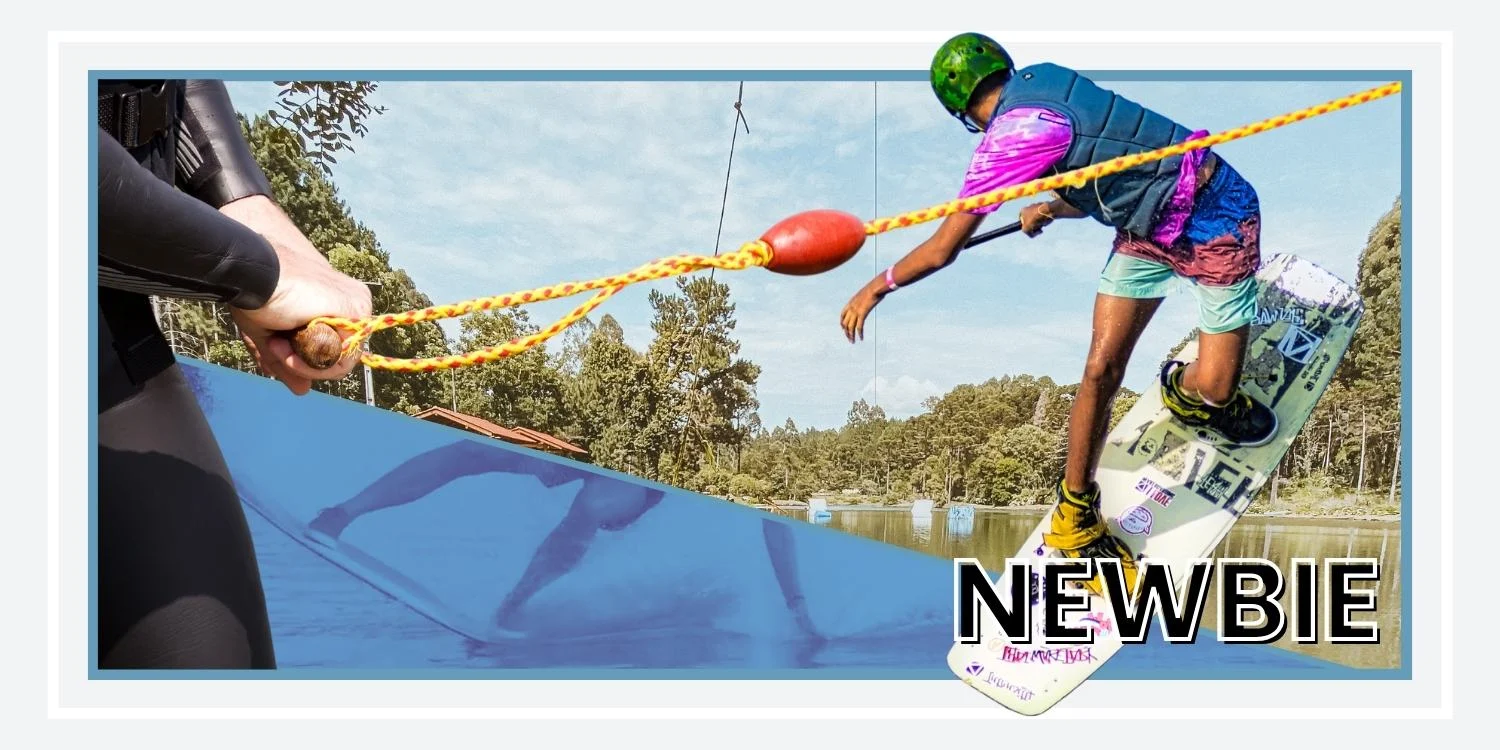
Understanding the start technique is essential to getting started, but no written explanation can replace a practical lesson with an instructor. The following is a summary to give you an idea of how the wakeboard start works.
- Initial position: Enter the water in a relaxed manner, with your knees drawn up to your chest and your feet flat on the board. Hold the bar with your arms extended and your hands wide apart.
- Let yourself be carried away: When the boat or cable starts, avoid pushing with your legs or pulling with your arms. Maintain a crouched position and let the board plan by itself.
- Get up gradually: as the board begins to glide across the water, calmly straighten your legs and bring the bar close to the side of your front foot (regular = left, goofy = right).
To understand how to get started without a hitch in the wakepark, nothing better than this short guide for beginners, curated by expert athlete Raph Trinidad.
The basics of wakeboarding posture
To maintain control and progress more quickly, it is essential to find a correct posture from the beginning. Again, an instructor can correct the most common errors and help you improve stability.
- Maintain a relaxed posture: Bend your knees slightly and distribute your weight evenly on the board.
- Keep your arms folded: Don't overstretch them; the bar should stay close to your body to give you more control.
- Look ahead: Avoid staring at the water in front of your feet; keep your gaze in the direction you want to go.
Here is a short video showing the correct position to adopt.
Getting Around: First Cuts on the Water
After finding stability, the next step is to learn how to change direction. Wakeboarding is based on two types of cuts:
- Heelside cut (heels): push your weight into your heels and lean your body slightly backwards, keeping the bar close to your center of gravity.
- Toeside cut (tips): rotate your torso and follow the board with your hip, distributing your weight on your toes. To stabilize yourself, you can rest the opposite arm on your belly.
To better understand how to perform a 180-degree turn, to proceed in the opposite direction at the Two Towers wakepark, watch this video.
These are just the basics, but to best learn the technique and correct any errors, the most effective thing is always a lesson with an expert instructor.
How are wakeboards made?
Wakeboards are designed for stability and maneuverability on the water. They have a symmetrical longilinear shape, with a length that varies between 110 cm (for children) and over 160 cm. This means that both the front and back of the board are balanced, with the same shape and size, except for some brands that experiment with models with more innovative shapes.
Wakeboards can be specific for the boat, for the park or hybrid. Each board has specific characteristics, shapes and angles that can make it more or less flexible, light, reactive and resistant.
Other important aspects: the profile of the board
Among the most important aspects, the boards have shapes with or without channels and different rocker profiles, which vary from model to model. The rocker profile - continuous, hybrid or 3 stage - indicates the type and level of upward curvature of the board. These three configurations influence different aspects, including the contact surface with the water and with obstacles.
Il rocker continuous It has a completely elliptical curvature, which reduces the contact surface, offering greater fluidity and smoothness.
Il 3-stage rocker, on the other hand, has a more broken and geometric shape, with three distinct sections: a flat central part, which increases the contact surface for greater reactivity, and two raised ends, which amplify pop and spin.
Il hybrid profile, instead, represents a compromise between the two, combining characteristics of the continuous and the 3-stage to offer a balance between fluidity, responsiveness and pop.
The boards are also equipped with 4 removable fins that improve stability and maneuverability in the wake of the boat, but they are not used in wakeparks, as they would end up hindering the board on the structures. On the upper face we find threaded holes or tracks to attach the boots, that is, the boots.
The Best Wakeboards and Where to Buy Them Online
There are several brands and shops that specialize in the production and sale of wakeboards. Some of the most popular manufacturers are Ronix, Hyperlite, Jobe, Liquid Force e Slingshot, all with park and boat specific models, suitable for beginners, intermediates and advanced riders.
In addition to these, brands like Decathlon and Connelly also offer more accessible options, ideal for those who are starting out and looking for a versatile board at a competitive price.
If you are looking for where to buy a board, some of the most popular online retailers are BuyWake, Minoia, Sports Mission e WarehouseOne. Here you can find a wide selection of models, new collections, competitive offers and often even free shipping.
Equipment and safety
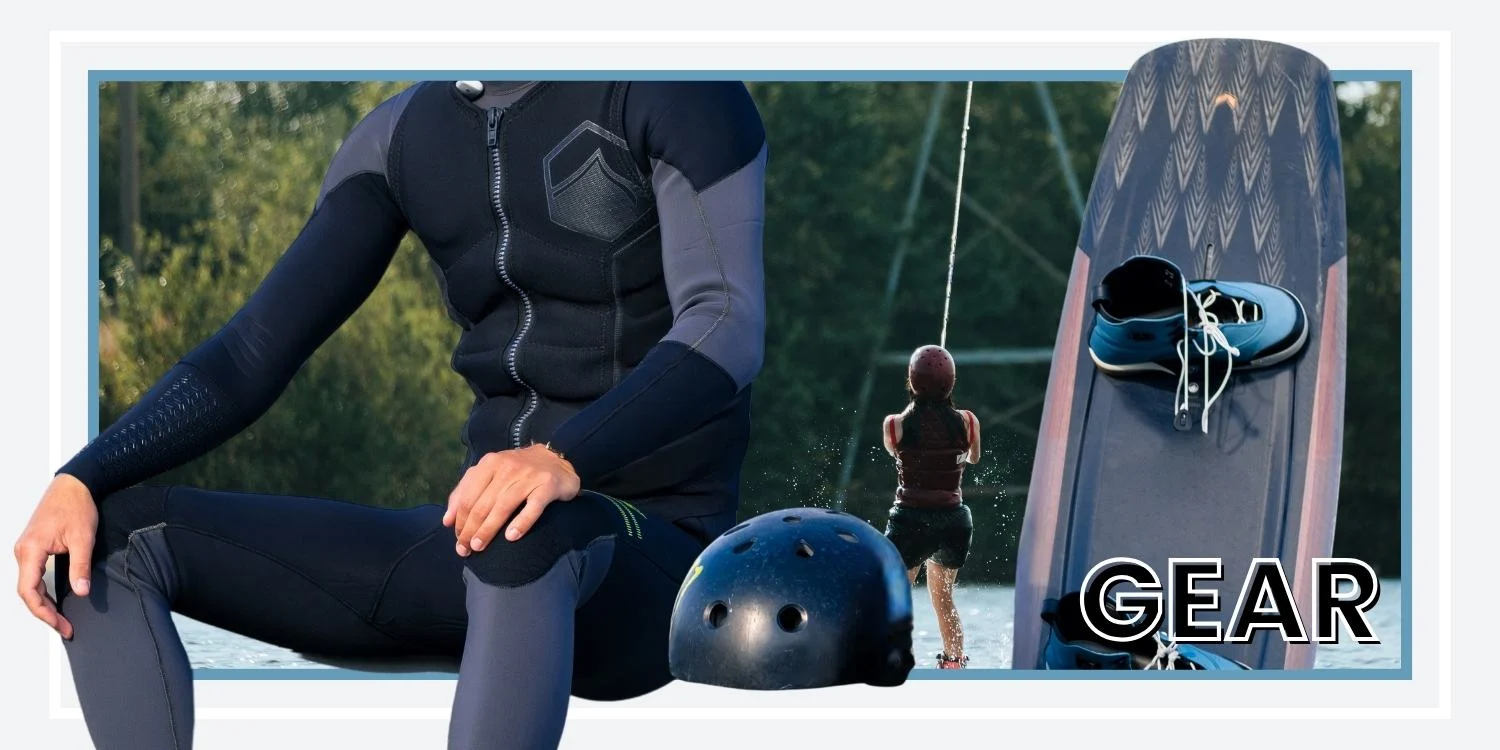
Safety is a key aspect when venturing into the world of wakeboarding, whether behind a boat or in wakeparks. Always respecting safety rules and having the right equipment is essential to ensure a safe practice. Among the essential requirements, there are certainly a life jacket and a protective helmet. Furthermore, it is advisable to wear comfortable clothing that allows freedom of movement during the activity and mute button for surfing on cold days, if needed.
DEPTH: Wakeboarding Equipment
For a complete overview of the equipment and to discover the best options available on the market, we invite you to explore the specific archives present on our blog. You will find a series of constantly updated contents to guide you in the search for the perfect wakeboarding equipment, whether you are a beginner or an expert rider.
Other sports other than wakeboarding
In addition to wakeboarding, there are other sports that, although different, share the same essence: being dragged in the wake of a vessel or by the wakepark cable. These different sports offer new opportunities for learning and fun, with techniques and tricks that are different from those typical of wakeboarding. Among these sports we find wakeskate, knee board and sit up.
Differences between wakeboard and wakeskate
Il wakeskate It is a different sport that involves the use of a board without bindings, equipped only with a non-slip grip similar to that of a skateboard, but larger and more resistant. Normal skate shoes are used, and the maneuvers performed belong to those of skateboarding.
The kneeboard
Kneeboarding is another water sport where the rider kneels on a specially designed board, secured with an adjustable strap. This water sport combines elements of wakeboarding and water skiing, offering a unique experience accessible to people of all ages and skill levels.
The kneeboard is usually shorter and wider, with a padded surface to provide comfort to the knees. The fixing strap, located in the center of the board, ensures that the rider remains securely in place during the ride.
Kneeboarding allows for a variety of tricks and maneuvers, including spins, jumps, and tricks on the water. The kneeling position reduces the risk of falling and makes it easier to maintain balance, allowing beginners to quickly gain confidence in the sport.
Additionally, kneeboarding can be done both behind a boat and in cable parks, and being less physically demanding, it is a great option for those looking for an introduction to board water sports.
The Sit-Wake
Sitwake allows people with disabilities to practice the sport. It uses a board with a frame where the athlete can sit and direct the board with his own weight, performing curves, jumps and rotations.
Where to practice wakeboarding in wakeparks
There are countless wake parks and facilities scattered around the world Full Size and Two Towers, to discover. To get an overview of the main destinations in Italy and the rest of Europe, explore our park directory. You will be able to find the best spots in the locations you are interested in and learn all the details.
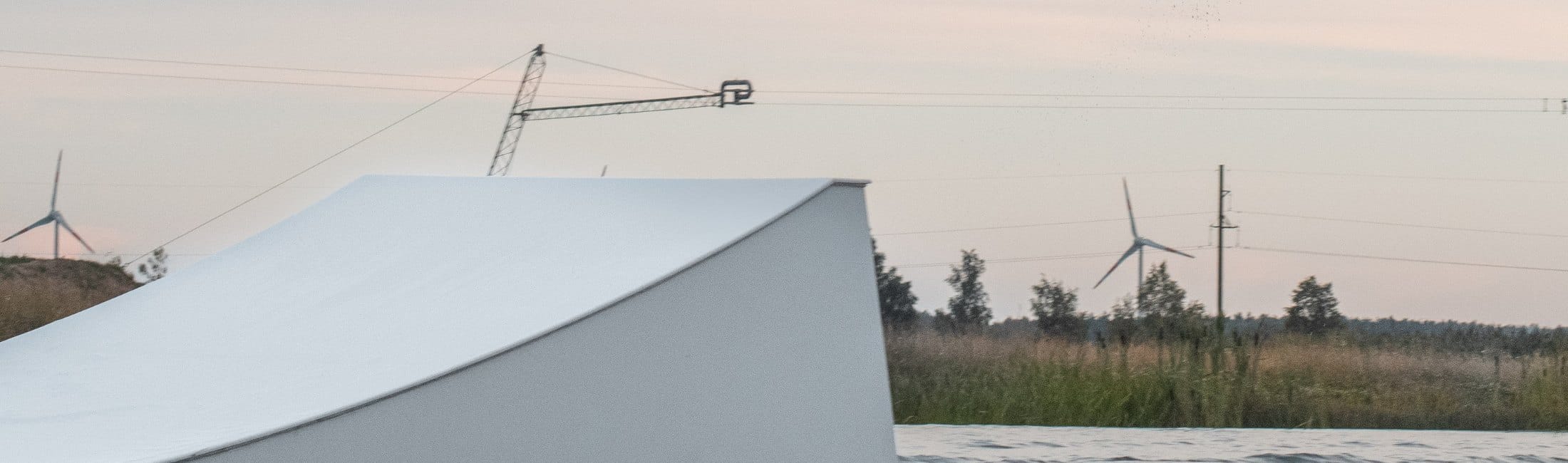
The best wakeparks in Italy
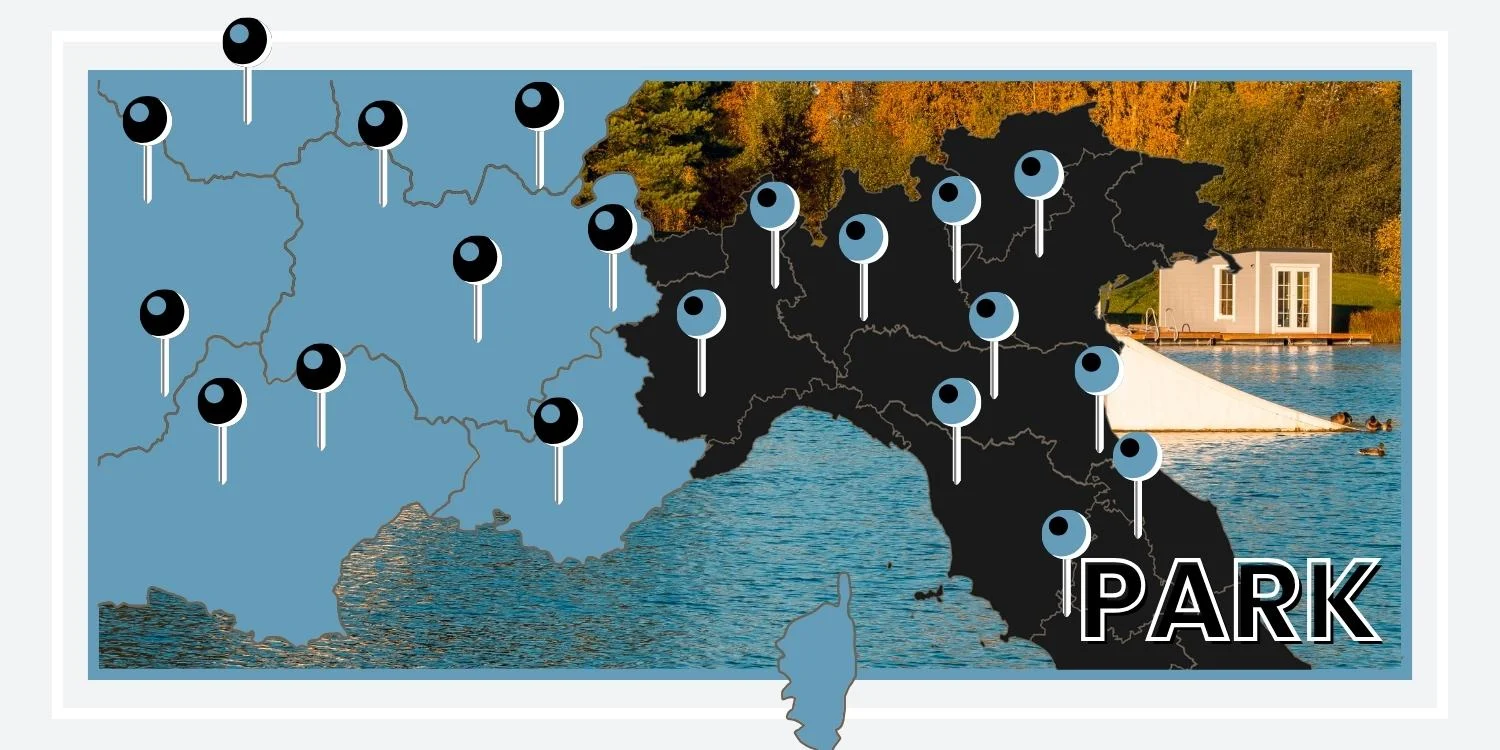
In Italy there are numerous full-size and two-tower cable systems, concentrated above all in the northern regions, while they are less widespread in the south and on the islands.
Want to find out where wakeparks are located in Italy? Click one of the buttons below to view an interactive map or browse the list by region.
A brief history of the birth of wakeboarding
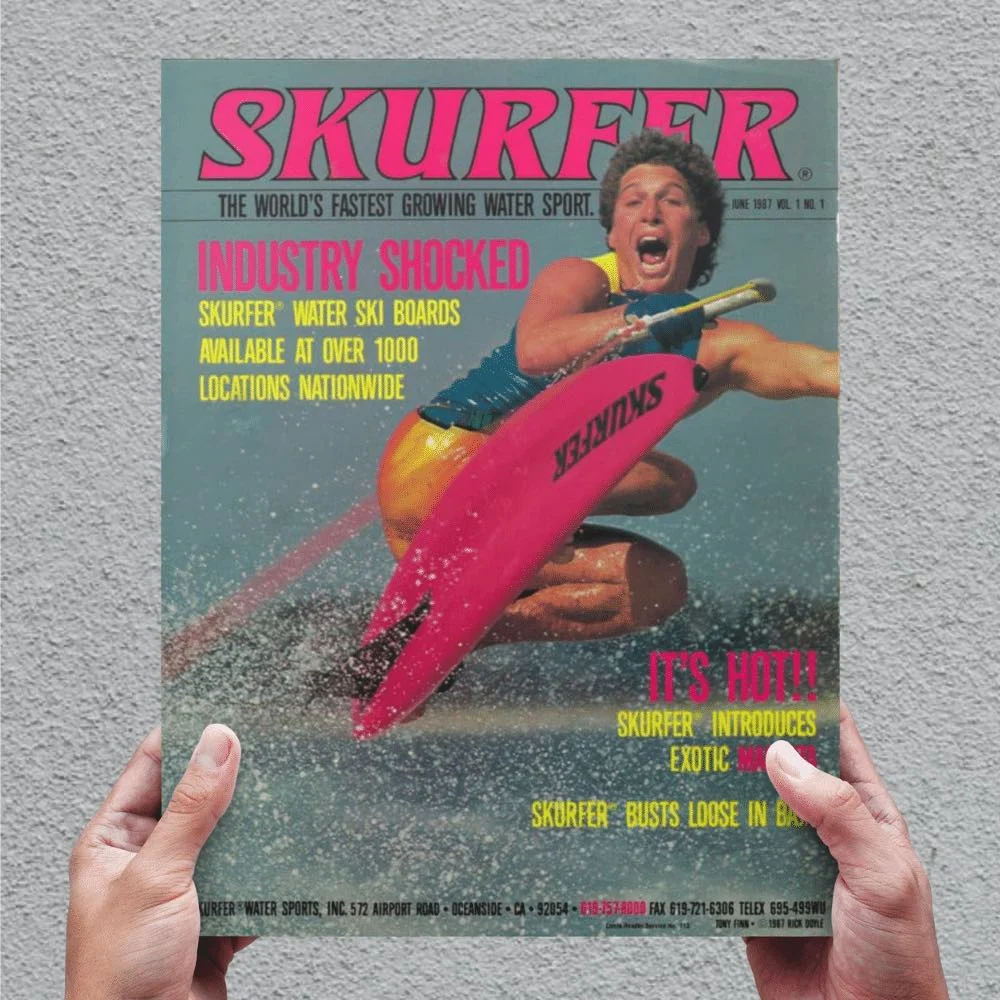
Wakeboarding was born in 1964 from the combination of surfing and water skiing. Initially called "Skurfboards" in New Zealand, it was further developed in the 80s in Australia under the name "McSkis" and then "Skull"In 1990, Herb O'Brien created the Hyperlite, a prototype that was easier to control. In 1992, it became an official sport thanks to the World Wake Association founded by Jimmy Redmon.
These are the first promotional videos for the 1985 Skurfer and the Wakeboard Hyperlite from 1991.
Frequently Asked Questions About Wakeboarding
To answer the most common curiosities, we have collected the most frequently asked questions from users. In this section you will find answers that delve into aspects not covered in the main article. If you have any additional questions, do not hesitate to write us an email at [email protected], we will be happy to answer!
Staff Editor

Share this article
Advertising provided by Google
Related Articles
Amazon Affiliate Advertising