Wakeskate: how it works and where it is practiced

Wakeskating is a water sport that shares several similarities with wakeboarding , both in terms of where it's practiced and how it's done. However, the main difference is that the board isn't strapped to the feet like wakeboarding, allowing the rider complete freedom of movement, similar to skateboarding.
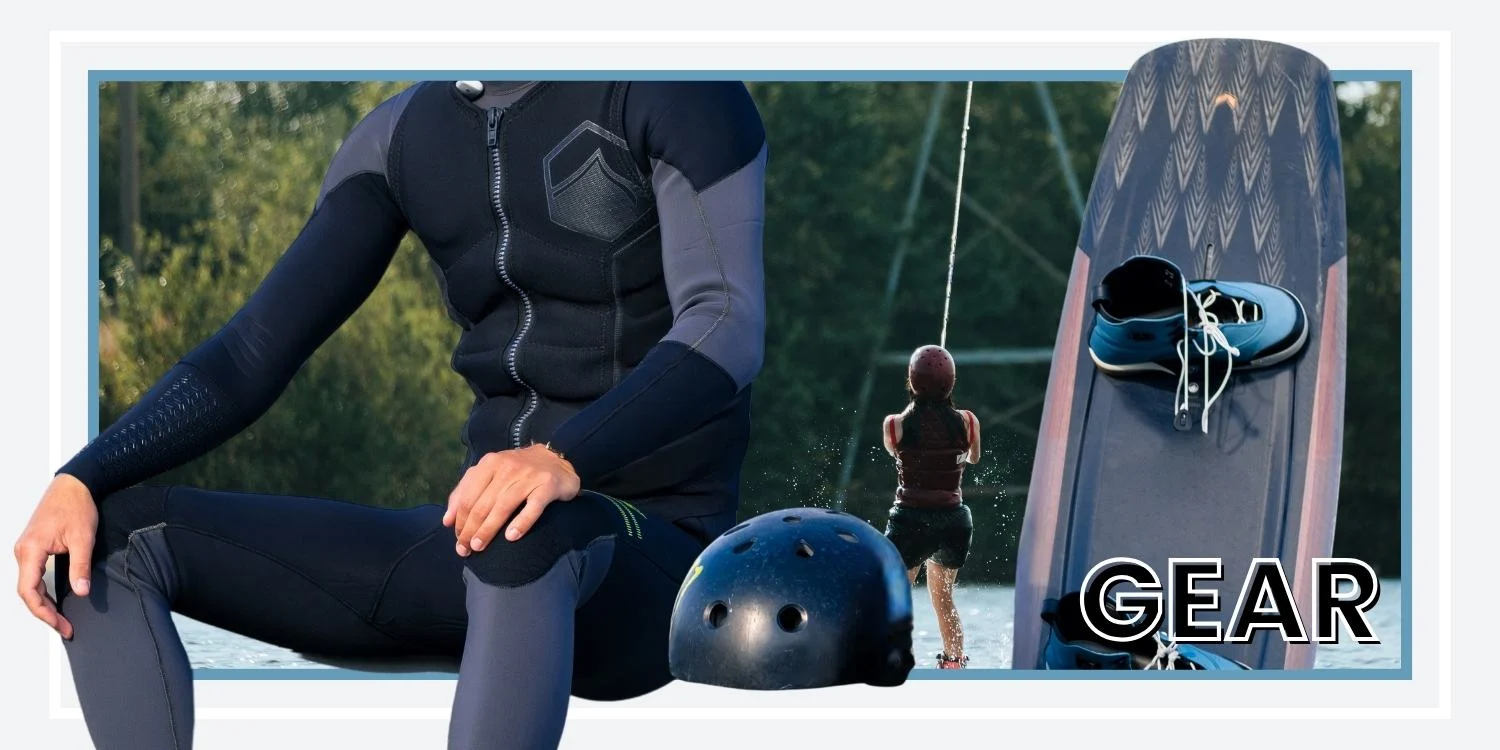
The wakeskate board is larger than a street skateboard, but it retains some similarities: it has a grippy surface like a skateboard, but with a higher performance, allowing for good grip in wet conditions, and is used with classic skateboarding shoes . In wakeskating, like wakeboarding, the rider moves sideways, with the left or right foot forward, respectively: regular or goofy.
READ MORE: How to choose a wakeskate board?


Wakeskating Tricks
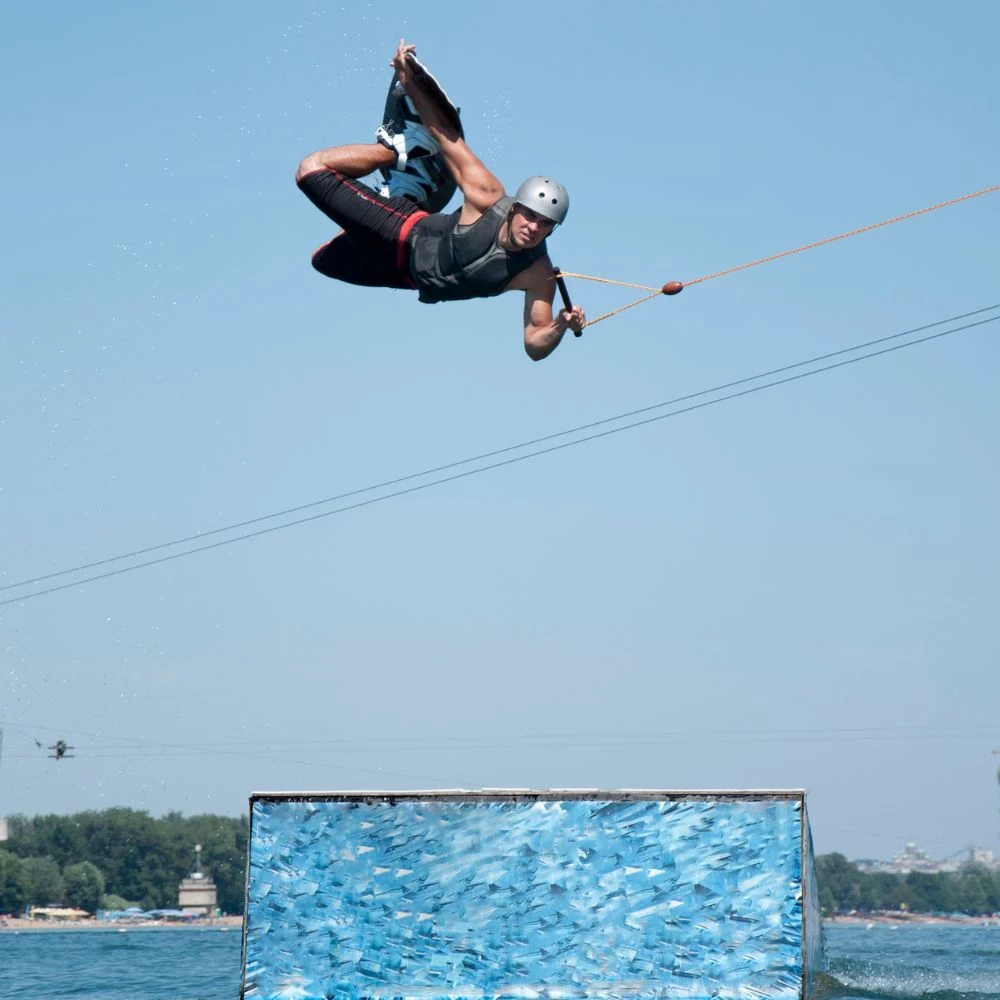
Unlike wakeboarding, wakeskating draws inspiration from the dynamics of street skateboarding to execute tricks. You can perform shove-its, big spins, flips and many other moves on the surface of the water, in the wake of the boat, and on wakepark obstacles. This creative freedom brings the typical skateboard maneuvers to wakeskating.
Wakeskating is, in fact, a sport distinct from wakeboarding. Although they are practiced in the same environments and may seem similar at first glance, the evolutions and tricks follow different logics: wakeboarding is closer to snowboarding in style and dynamics, while wakeskating is closer to skateboarding, both in the board and in the type of maneuvers that can be performed.
IN-DEPTH: Types of tricks and variations of wakeskating
Needless to say, the lack of connection with the board makes a huge difference, not only for the families of tricks, but especially in terms of balance and maneuverability. Unlike wakeboarding, the position of the feet on the board is never the same, and the rider must be able to find the right feeling for each trick and in all circumstances of landing on the board.
Look at Daniel Grant in one of his epic moments, he literally turned his home cable upside down (Thai Wake Park).
How far can you go? Watch this video of wakeskater Brian Grubb doing a feat with Red Bull in the Antarctic ice.
Where to practice wakeskate
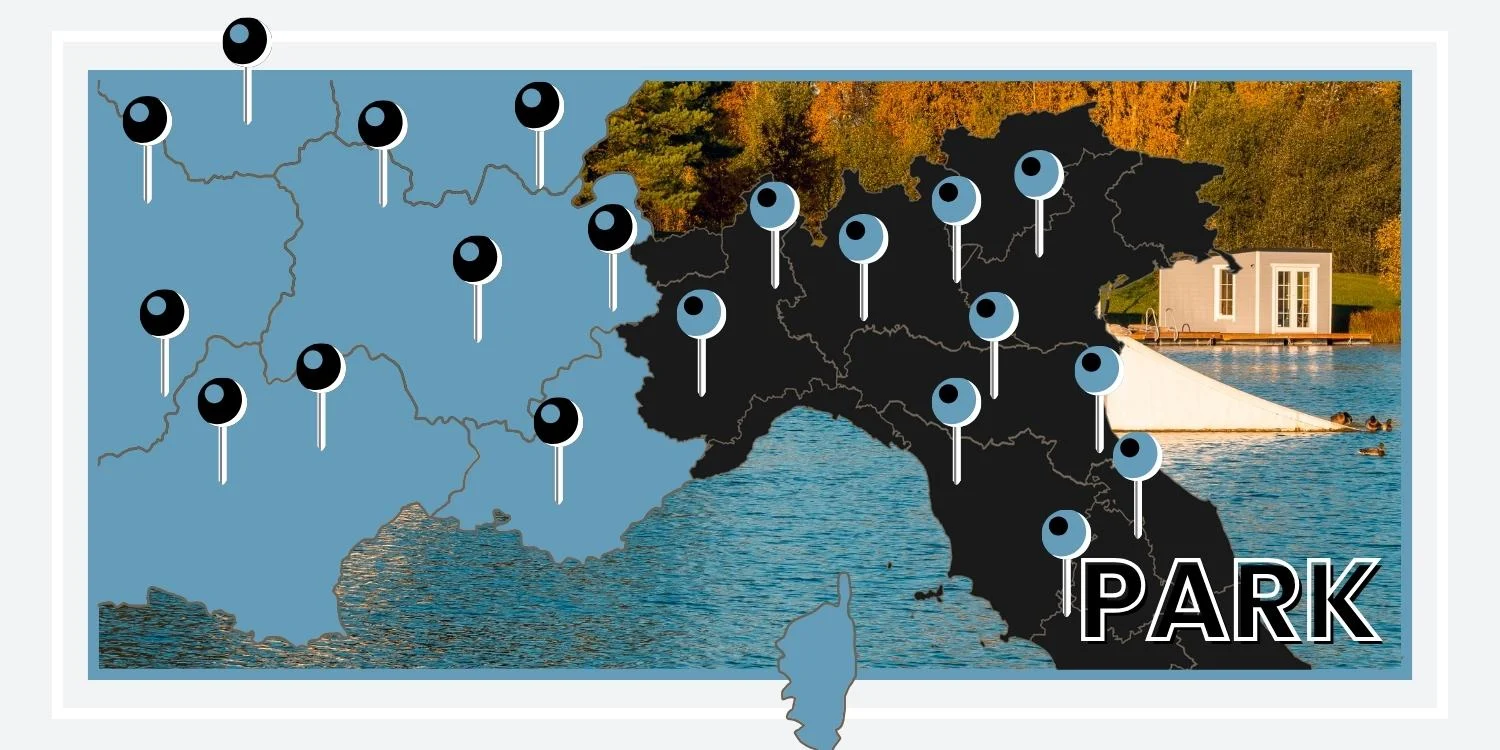
There are countless wakeskating spots to discover around the world, from full-size wakeparks to Two Towers . For an overview of the best destinations in Italy and Europe, explore our park directory : you'll find the best spots in the locations you're interested in, along with all the details.
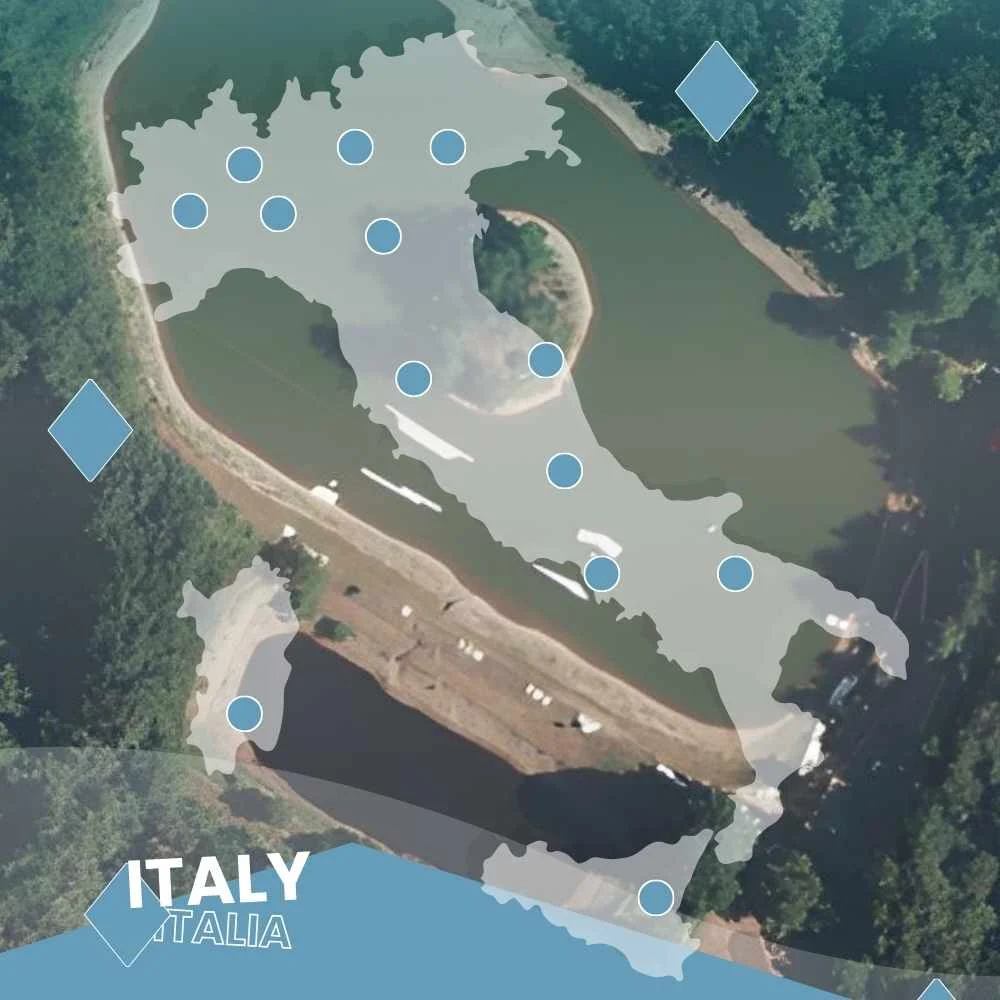
The best spots to practice wakeskate in Italy
Why is wakeskating so popular?
Wakeskating offers a variety of physical and mental benefits. Physically, wakeskating helps develop muscle strength, balance, coordination, and agility. Mentally, the experience of riding the cable and performing tricks can boost self-esteem, improve concentration, and provide a sense of freedom and fun.
If you are passionate about water sports or want to try something new and exciting, wakeskating might be the perfect discipline for you. With its mix of adrenaline, creativity and connection to the water, wakeskating offers a unique experience worth trying. Discover the best destinations to practice wakeskating today at Wakesquare.
A bit of history: the birth of wakeskate
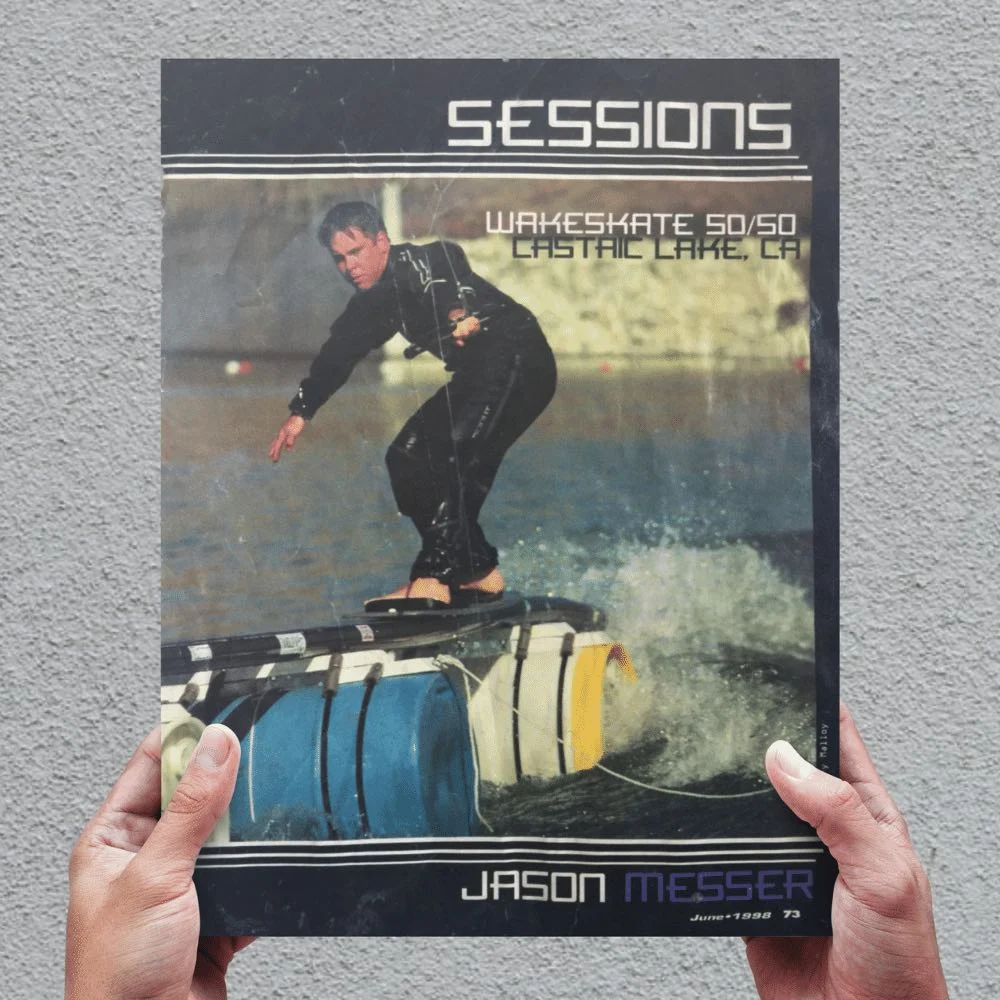
The "modern" wakeskate began to take shape in the 90s with the introduction of the first "cable" systems. However, its history dates back to the 70s, when it was practiced in a more original and improvised form, riding the waves generated by boats with long and bulky surfboards (known as freeboarding or wakesurfing). Over the years, the boards became increasingly shorter, similar to the shape of a classic skateboard. The first American companies began to produce and test wakeskates made of different materials, such as composite, fiberglass and wood.
Wakeskating has a lesser known history than wakeboarding. For many years, wakeskating was practiced primarily in the United States, either on traditional boats or jet skis, using towing winches called "winches," or at "cable" facilities usually installed on lakes. These different ways of practicing wakeskating have helped develop and enrich the discipline over time.
Today, wakeskate is practiced all over the world and is gaining popularity especially in Europe, thanks also to the support of big brands such as Red Bull and Nike, which promote the sport through international events and sponsor the best riders in the world.
Thomas Horrell and the appearance of Bi-level wakeskates
In the late 90s, new materials and assembly techniques were introduced to create more innovative and performing wakeskates. Thomas Horrell, one of the pioneers of wakeskating, played a key role in the early 2000s by inventing an era-defining board: the Bi-level. This board is essentially made of two layers of composite and fiberglass overlapped and connected in the center by two brackets. What makes the Bi-level unique is the flex of the upper deck, which helps the board sink into the water, allowing the rider to feel the pop movement similar to an ollie on a skateboard.
In the years that followed, manufacturing and assembly techniques continued to evolve, leading the boards currently used by riders to be mainly those with a wood core. These boards are heavier but offer greater maneuverability and stability, especially out of the water while performing tricks.
Frequently Asked Questions About Wakeskate
To help answer all your wakeboarding questions, we've compiled some of the most frequently asked questions from users. In this section, you'll find answers that further clarify various aspects not covered in the main article. If you have any additional questions, feel free to email us at [email protected] ; we'd be happy to answer your questions!
About Wakesquare

Share this article


Advertising provided by Google
Recently Read
Amazon Affiliate Advertising